
Discover Local Asian Restaurants Near You with Springroll
Discover local Asian restaurants near you with Springroll. Explore Chinese, Japanese, Thai, Korean, Vietnamese food and more, then order online.
Read more
If you love Asian cuisine, chances are you have enjoyed both Thai and Chinese stir-fry dishes. From savory noodles to sizzling wok-tossed vegetables, these meals are packed with flavor and have become definitive favorites for takeout and online ordering across the country. While the cooking styles may look visually similar at a glance, Thai and Chinese stir-fry dishes each bring their own unique flavors, ingredients, and culinary traditions to the table.
Whether you are craving spicy Thai noodles or classic Chinese comfort food, ordering online through Springroll.com makes it easy to discover local restaurants offering exceptional versions of both cuisines. Understanding what sets them apart can help you navigate menus like a pro and satisfy your exact cravings.
Chinese stir-fry cooking dates back centuries and is closely connected to the evolution of the wok. This versatile, round-bottomed cooking vessel revolutionized how food was prepared in ancient China. The primary technique focuses on cooking bite-sized ingredients rapidly over intense, high heat while preserving their natural texture, color, and nutritional value. Chinese culinary traditions place a massive emphasis on savory sauces, balanced seasoning, and crisp vegetables that are cooked through but retain a satisfying crunch.
Thai cuisine later adopted wok cooking through centuries of trade, migration, and cultural exchange with China, transforming it into its own vibrant culinary style. Rather than simply copying the Chinese method, Thai chefs fused the rapid wok technique with their local ingredients. This created a distinct style where stir-fry dishes are famous for combining sweet, salty, sour, bitter, and spicy flavors all in one bite.
Today, both cuisines are foundational staples at many Asian restaurants. They remain incredibly popular choices for online ordering and convenient takeout when you want a fast, flavor-packed meal.
One of the biggest differences between Thai and Chinese stir-fry dishes lies within their fundamental flavor profiles. While both rely on the high-heat magic of the wok, they target completely different areas of your palate.
Chinese stir-fry dishes are generally characterized by savory, rich, and comforting flavor profiles. Chefs rely heavily on fermented sauces and oils to build deep layers of umami. Thick oyster sauce, deeply savory hoisin, and various grades of soy sauce form the liquid base of most dishes.
Aromatics like crushed garlic and sliced ginger are gently fried in the oil first to release their essence, while a final drizzle of toasted sesame oil adds a rich, nutty aroma just before serving. Because the flavors are masterfully balanced and typically less spicy, the natural taste of the high-quality proteins and fresh vegetables can truly shine.
Popular Chinese stir-fry classics that highlight this style include:
These classic dishes are widely available at hundreds of local Chinese restaurants featured on Springroll.com for convenient, lightning-fast online ordering.
Thai stir-fry dishes are highly celebrated for their bold, vibrant, and multi-dimensional flavor profiles. Instead of aiming for a singular savory note, a great Thai chef attempts to balance four or five distinct taste elements—spicy, sweet, salty, sour, and bitter—simultaneously within a single dish.
The savory backbone of Thai stir-fry comes from pungent, salty fish sauce rather than soy sauce. This is heavily balanced by the sour tang of fresh lime juice or soaked tamarind pulp, alongside the deep sweetness of unrefined palm sugar. Fresh Thai bird’s eye chilies are frequently bruised and thrown into the wok, releasing intense heat that cuts through the sweetness.
When you order authentic Thai stir-fry dishes for pickup or delivery, you will often find these iconic menu options:
The star carbohydrates used in these two cuisines also showcase a major divergence in texture, grain choice, and agricultural tradition. To see how these starches fit into the broader landscape of cold-weather comfort dining, read our roundup of how to cozy up this fall with these must-try Asian noodle dishes.
Chinese cuisine is famous for its historical reliance on wheat-based agriculture in its northern regions. Because of this, classic Chinese stir-fries frequently feature robust egg noodles or thick wheat lo mein noodles. These noodles have a chewier texture and hold up beautifully against heavy, savory sauces. When it comes to rice, Chinese restaurants traditionally serve long-grain steamed white rice or use day-old rice to create perfectly separated grains of wok-fried rice seasoned with soy sauce and scallions.
Thai cuisine, conversely, is deeply rooted in rice cultivation. Consequently, the vast majority of Thai stir-fried noodle dishes utilize translucent rice noodles of varying widths. Rice noodles have a distinct elasticity and are incredible at absorbing bright, acidic sauces like tamarind or lime juice without becoming soggy. For rice dishes, Thailand’s crown jewel is fragrant jasmine rice—a long-grain variety known for its floral aroma and slightly sticky, tender texture when steamed.
The aromatic base of a stir-fry determines its final fragrance and refreshing qualities. Thai cuisine relies almost exclusively on fresh, raw, and intensely fragrant herbs added at the very end of the cooking process. Ingredients like peppery Thai holy basil, citrusy lemongrass, bruised kaffir lime leaves, and raw cilantro roots give Thai stir-fries their signature bright, perfume-like fragrance. This sensory focus is identical to the lively, bustling energy found in traditional night markets—a phenomenon you can explore in our guide to Thai street food.
Chinese cooking focuses on building depth through dried, fermented, or deeply cooked aromatic foundations. The holy trinity of Chinese stir-fry consists of fresh garlic, ginger, and scallions, which are lightly fried in hot oil to create an aromatic base layer. Rather than relying on fresh leafy herbs for brightness, Chinese dishes use aged rice wines, fermented bean pastes, and complex spice blends like five-spice powder to create a comforting, grounded profile.
If you are someone who actively chases a fiery kick—or if you prefer to keep things completely mild—understanding how these two styles handle heat is crucial.
Chinese stir-fry dishes feature a massive range of heat levels depending entirely on the specific region of origin. For instance, Cantonese-style stir-fries are almost entirely mild, prioritizing clean, delicate flavors. On the opposite end of the spectrum, Hunan and Sichuan cuisines are famous for their bold, aggressive heat. Sichuan cooking utilizes a unique combination of dried red chilies and Sichuan peppercorns, creating a famous tongue-numbing sensation known as málà.
Thai stir-fry dishes are generally hotter across the board. The primary source of heat comes from fresh Thai bird's eye chilies, which are significantly spicier than the dried chilies typically found in standard Chinese takeout. Because these chilies are chopped or crushed directly into the wok, the heat is sharp, immediate, and thoroughly integrated into the sauce. This bold, uncompromising use of heat has captured the palates of millions worldwide; learn more about this culinary journey in our history of how Thai food became a staple in American cities.
To round out your dining experience, it helps to pair your main stir-fry with traditional appetizers that complement the textures and flavors of your main dish.
Classic Chinese meals are often paired with crunchy, deep-fried elements that contrast beautifully with a glossy stir-fry. Crispy pork egg rolls, savory pan-fried dumplings, and cream-cheese-filled Crab Rangoons are iconic choices. To balance out the meal, a starter bowl of hot and sour soup helps prime the palate for the savory main course.
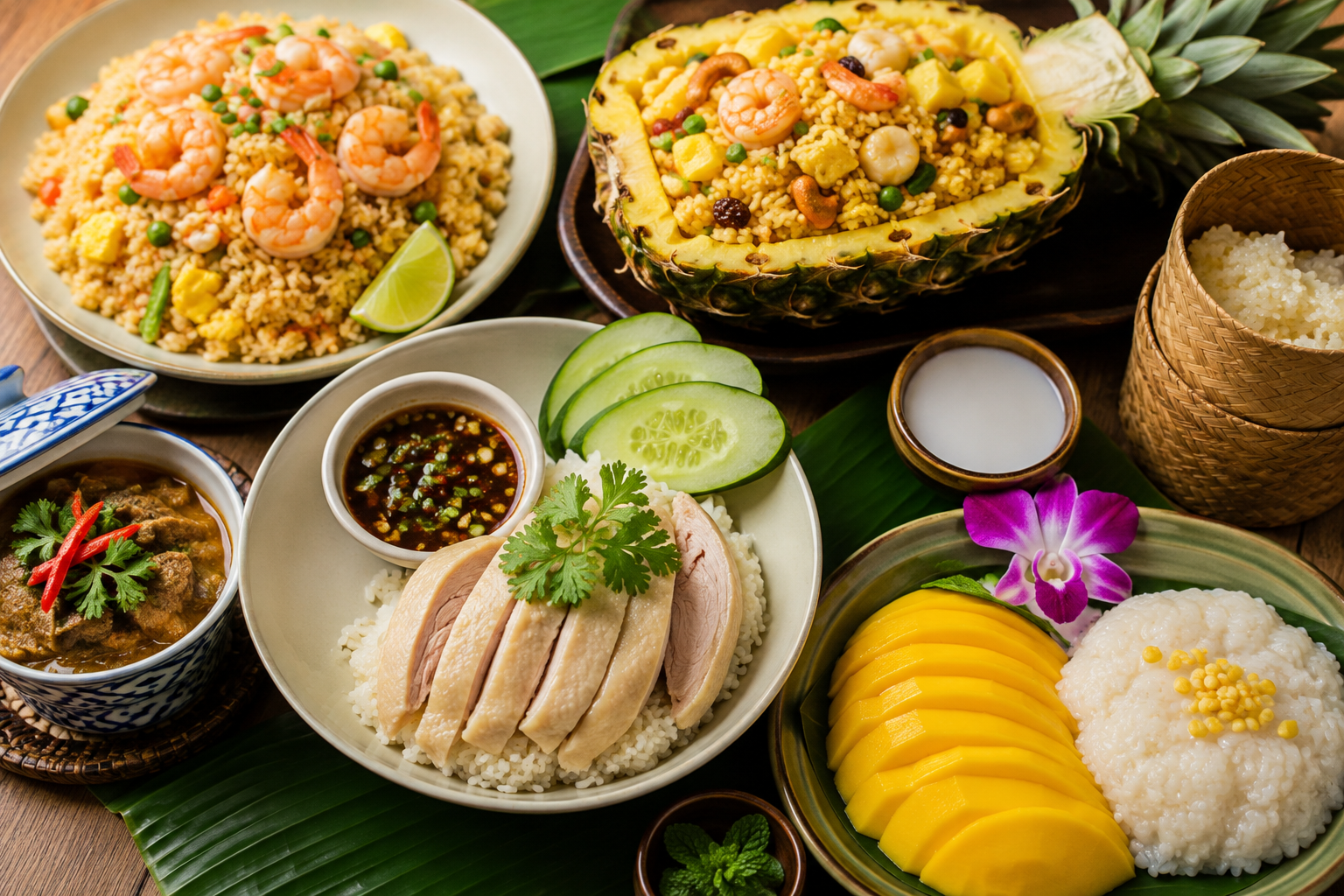
Thai meals are traditionally enjoyed alongside incredibly fresh, cooling appetizers that offset the intense heat of the stir-fry. Fresh summer spring rolls packed with crisp lettuce, mint, and shrimp are paired with sweet chili sauce. For a hot starter, the iconic Tom Yum soup offers a hot and sour broth infused with lemongrass and galangal. Finally, no Thai celebration is complete without a side of sweet mango sticky rice coated in warm coconut milk for dessert—a treat frequently used to celebrate Thai New Year with delicious Thai flavors.
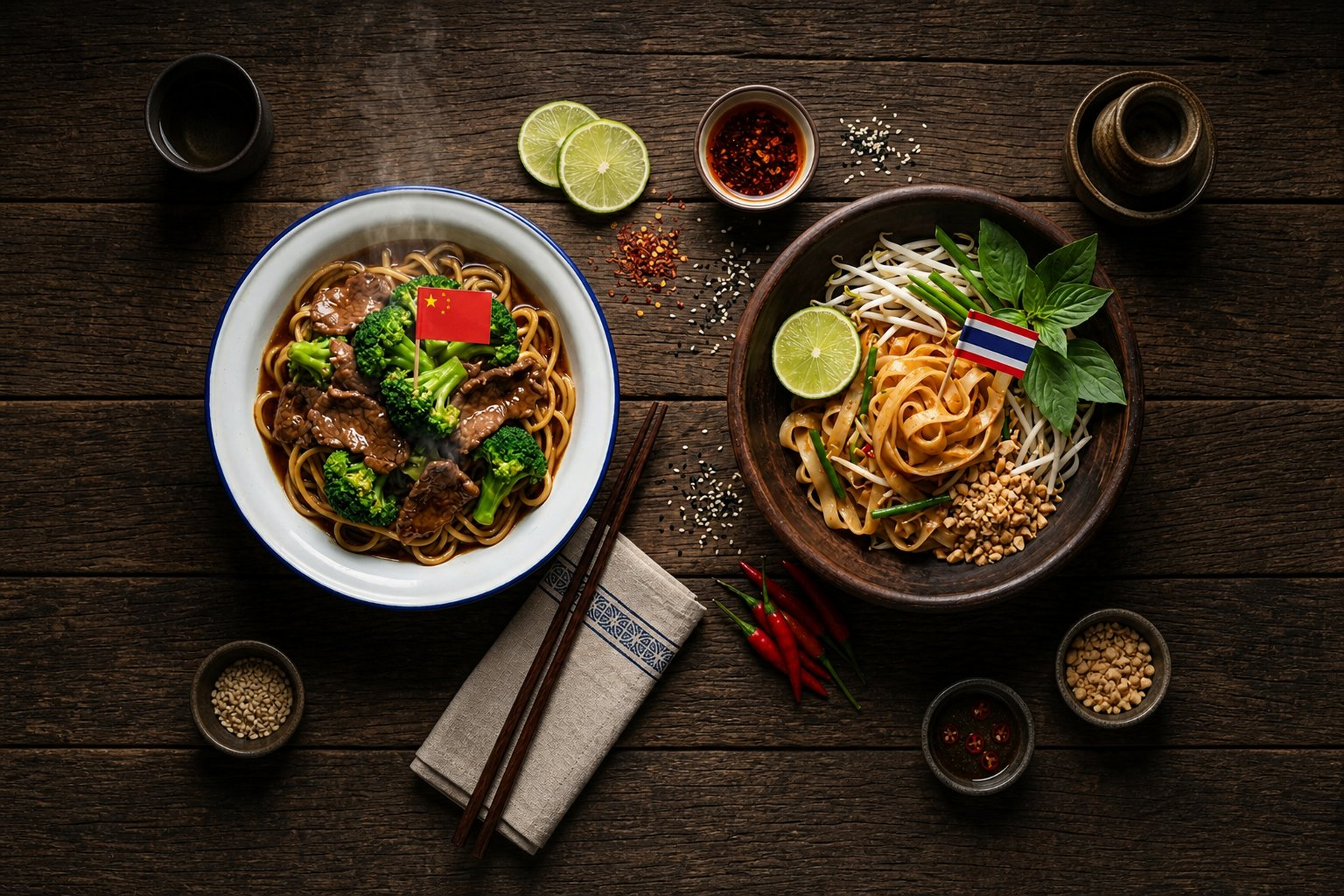
Whether you are craving classic Chinese comfort food like Beef with Broccoli or the bold, spicy kick of Thai Drunken Noodles, Springroll.com is your ultimate gateway to an incredible meal. Our platform helps food lovers discover local, independent restaurants offering highly authentic Asian cuisine directly in their neighborhoods.
Instead of bouncing between multiple apps or outdated paper menus, Springroll.com allows you to browse up-to-date menus, compare regional cooking styles, customize your spice levels, and order online for seamless pickup or delivery. Best of all, ordering through our platform directly supports the local culinary entrepreneurs who keep your community's food scene vibrant and diverse.
The next time you find yourself stuck choosing between the savory comfort of Chinese food or the bright, aromatic landscape of Thai cuisine, why choose at all? Gather your family, explore your local options on Springroll.com, and order a few of each style to host the ultimate comparative stir-fry feast right at your own dinner table.